As an Amazon Associate I earn from qualifying purchases. Links in this article may be affiliate links. How we choose gear
Why a Shed Solar Power Kit Beats Trenching in 2026
You finally built (or bought) the shed. Now you want a light that turns on, a place to charge your drill batteries, and maybe a radio while you work. The traditional route — trenching a line from the house, pulling conduit, adding a subpanel, and paying an electrician plus a permit — can easily cost more than the shed itself.
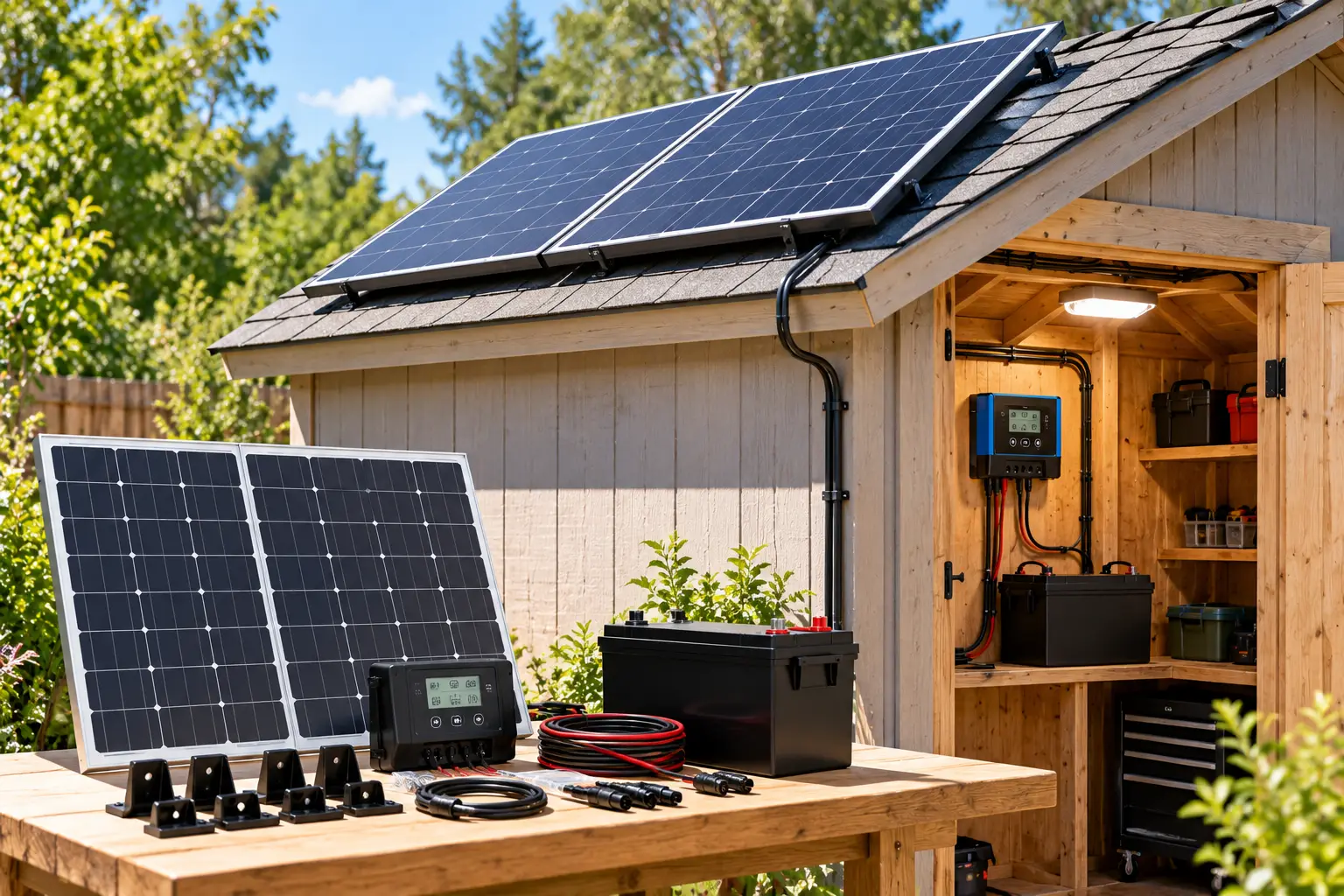
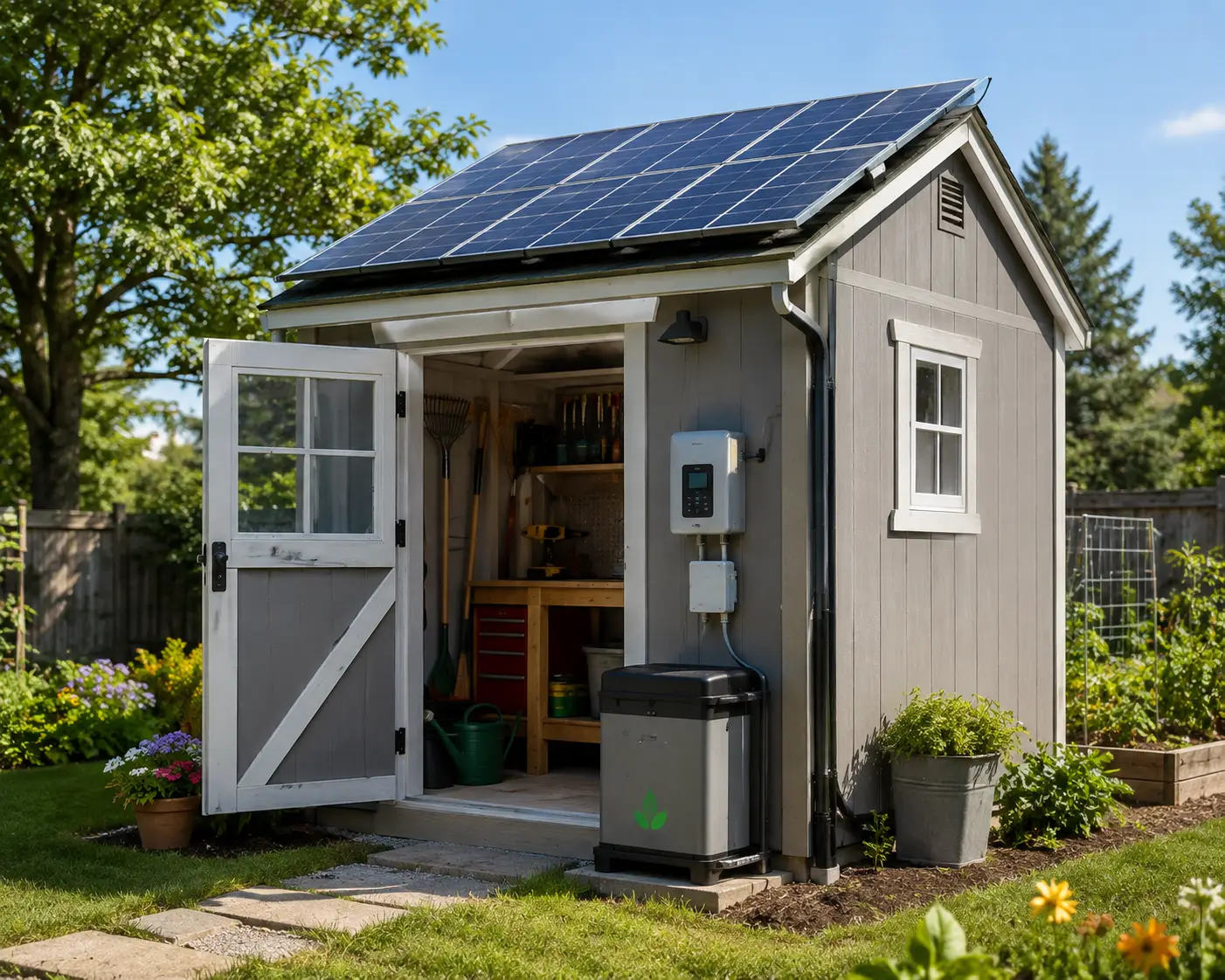
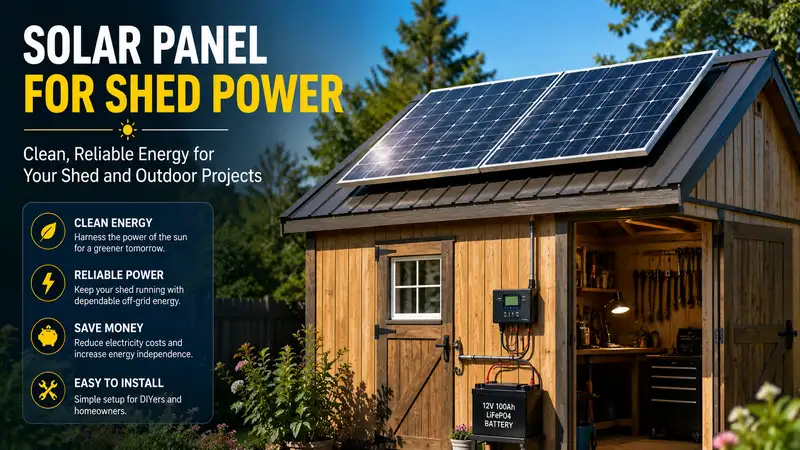
That’s exactly why a shed solar power kit has become the default answer for so many homeowners. Instead of digging up the lawn, you mount a panel or two on the roof, run a short cable to a charge controller and battery, and you’ve got your own little power plant.
But here’s the catch: “shed solar” covers everything from a single 100-watt panel that keeps a few LEDs glowing to a 1kWh solar generator that can spin up a circular saw. Buy too small and your battery is flat by Tuesday. Buy too big and you’ve spent workshop money on a lighting problem.
In this guide, we compare seven real kits sold on amazon.com, translate their spec sheets into plain English, and show you how to match one to the way you actually use your shed. No fake test stories — just honest analysis of specs, published manufacturer data, and the themes that show up in real customer feedback.
One quick 2026 note: the federal 30% residential solar tax credit no longer applies to new purchases, so the math below is based on what you actually pay at checkout.
What Is a Shed Solar Power Kit?
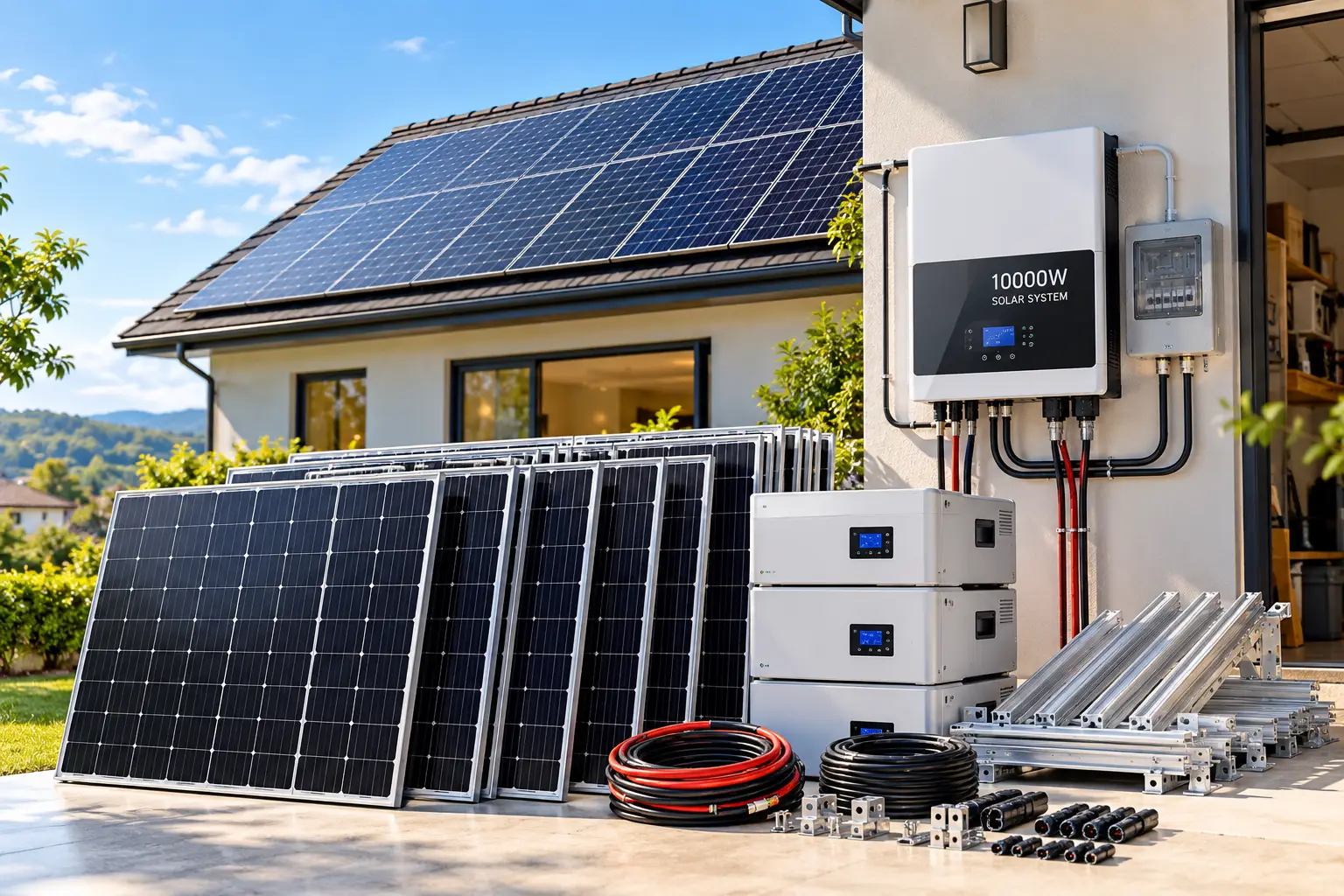
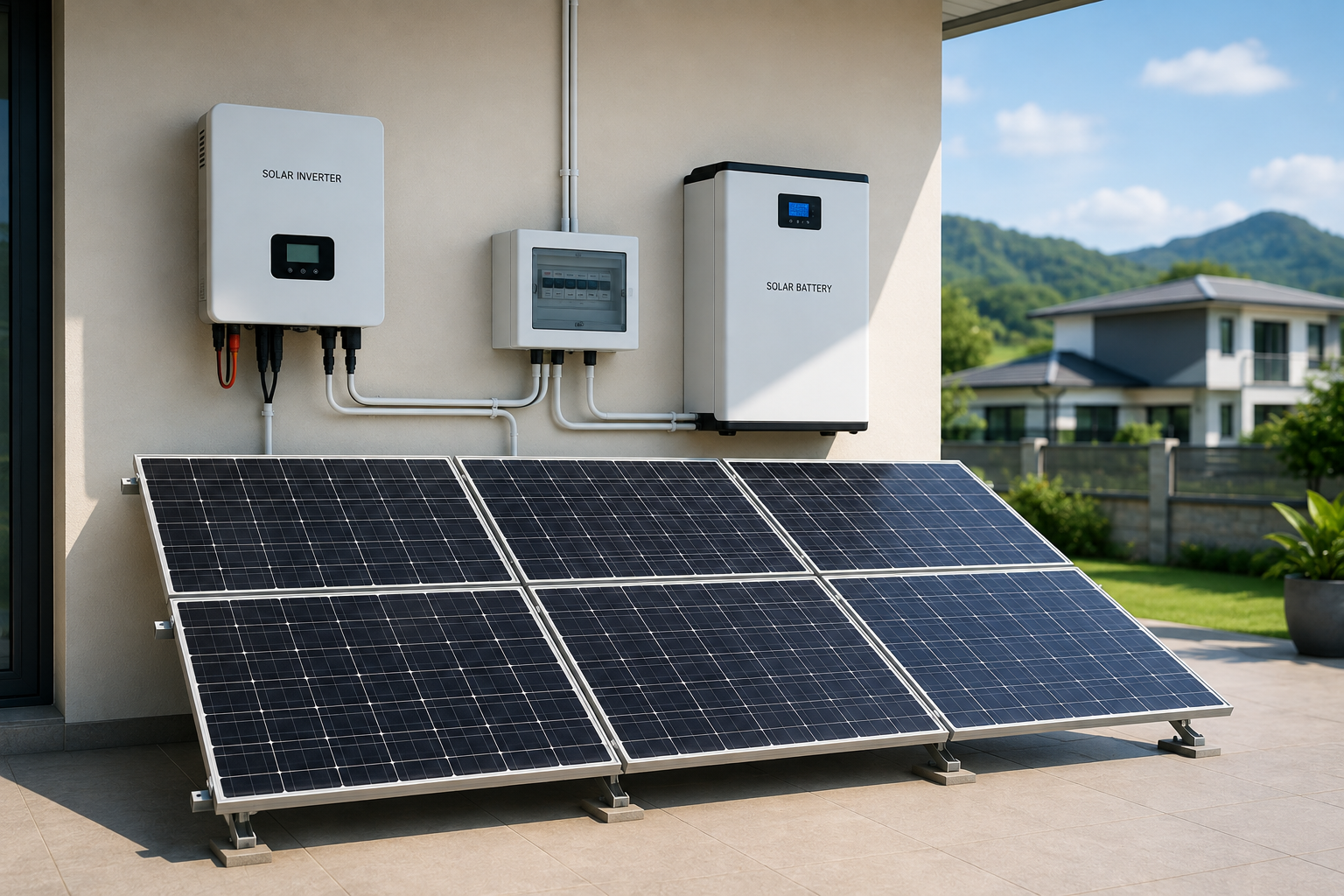
A shed solar power kit is a bundled, off-grid power system for an outbuilding: one or more solar panels, a charge controller, cables, and mounting hardware — and sometimes a battery and inverter. Panels charge the battery by day; the battery runs lights, chargers, and small tools whenever you need them.
If you want the textbook version, a kit like this is simply a small stand-alone photovoltaic system — the same building blocks used on cabins and RVs, scaled down to fit a backyard.
In practice, kits fall into three families:
Panel-and-controller kits (you add your own battery and, if needed, an inverter). Cheapest upfront, most flexible.
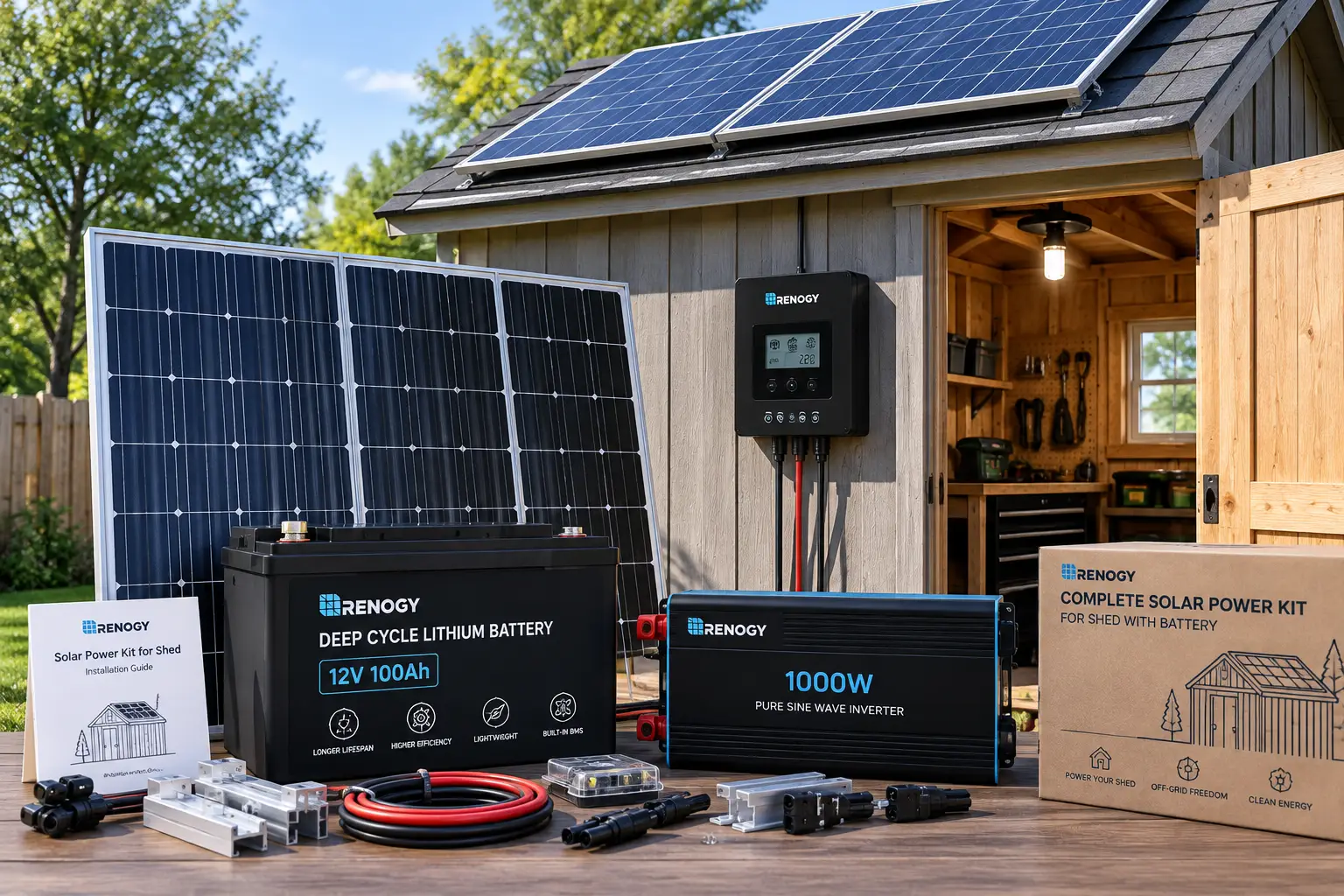
Complete kits that include a lithium (LiFePO4) battery and a pure sine wave inverter. More plug-and-play, more wiring to mount.
Solar generators — a portable power station bundled with a folding panel. Zero wiring, but you’re paying for portability and polish.
Knowing which family fits your shed is half the buying decision. The rest is sizing, which we’ll get to.
Quick Comparison: Shed Solar Power Kit Picks at a Glance
Kit
Solar
Battery
AC Output
Price Range
Best for
Renogy 100W 12V Starter Kit
100W, PWM
Not included
None
$130–$230
Renogy 100W 12V Starter Kit: lights-only sheds
Renogy 200W 12V Starter Kit
200W, PWM
Not included
None
$230–$330
Renogy 200W 12V Starter Kit: DIYers with a battery already
ECO-WORTHY 200W 12V Complete Kit
200W
50Ah LiFePO4
600W
$350–$500
ECO-WORTHY 200W 12V Complete Kit: first all-in-one setup
Anker SOLIX C1000 Solar Generator: power-tool users
Looking at the table, the real dividing line isn’t wattage — it’s whether a battery is included. The two Renogy starter kits look cheap until you add a $200-plus lithium battery, which pushes them into the same territory as the ECO-WORTHY 200W 12V Complete Kit. Meanwhile, the Jackery Solar Generator 1000 v2 and Anker SOLIX C1000 Solar Generator cost about the same as the big DIY kits but trade raw panel wattage for zero installation.
This is the smallest sensible starting point: one panel, one controller, and enough harvest to keep a few lights running every night.
The kit pairs a 100W monocrystalline panel with the Wanderer Li 30A PWM controller, Z-brackets, and cabling. Renogy rates it at around 500Wh per day with five hours of direct sun — realistically, expect closer to 350–400Wh after wiring and battery losses. That’s still plenty for LED shop lights, a phone charger, and a Bluetooth speaker.
Based on comparing the specs, this kit is best for storage sheds and garden sheds where you mainly need light after sunset. Because the controller handles up to 400W, you can add panels later instead of buying a whole new system — a genuinely useful upgrade path.
Customer feedback we could verify consistently praises the simple connections and beginner-friendly controller; the most common caveat is that buyers forget a battery isn’t included.
Pros:
Lowest entry cost in this lineup
Expandable to 400W with the same controller
Compatible with AGM, gel, flooded, and lithium batteries
Cons:
No battery or inverter in the box
PWM wastes some harvest in cold weather
Typically priced between $130 and $230 (check the current price) — excellent value if lighting is your only goal.
Renogy 100W 12V Starter KitSee current price, sizes and reviews on Amazon.
This is the 100W kit’s bigger sibling, built for sheds that need power on cloudy days, not just sunny ones.
You get two 100W panels, a Y-branch connector, and the same Wanderer Li 30A PWM controller. Renogy rates it at about 1,000Wh per day under five hours of sun. One spec most buyers overlook: the controller accepts a maximum of 25V from the panels, so you must wire panels in parallel, not series. That’s fine on a shed roof with short cable runs — but it means thicker cables if your panels sit far from the battery.
On paper, this is the sweet spot for DIYers who already own a deep-cycle battery (or plan to buy a 100Ah LiFePO4). Two panels give you real winter margin for lights, a radio, and battery-tool chargers.
Reviews consistently describe the panels as solidly built and easy to mount; complaints usually center on the PWM controller’s basic display and the need to buy everything else separately.
Pros:
Twice the harvest for a modest price bump
Room to grow to 400W total
Durable aluminum-framed panels with Z-brackets
Cons:
Parallel-only wiring limits cable-run length
Battery, inverter, and fuses cost extra
Usually between $230 and $330 at the time of writing — strong value if you already have a battery.
Renogy 200W 12V Starter KitSee current price, sizes and reviews on Amazon.
If you want to plug in a standard 120V device without shopping for parts, this is the most affordable complete package here.
The kit bundles two 100W panels, a 30A charge controller, a 12V 50Ah LiFePO4 battery (about 640Wh of storage), and a 600W pure sine wave inverter. In practice, 600W runs a laptop, a fan, LED lights, and cordless-tool chargers — but not a corded circular saw or miter saw, which typically draw 1,200W or more.
What the spec sheet doesn’t say, but the numbers reveal: a 50Ah battery is the bottleneck. You’ll fill it on a good day and drain it in an evening of heavier use. That’s fine for a hobby shed, not for a daily workshop.
Aggregated feedback is more mixed than for the panel-only kits — at least one third-party roundup noted it had the lowest average rating among the shed kits it compared, with recurring notes about component quality control.
Pros:
Battery and inverter included — truly complete
LiFePO4 chemistry lasts thousands of cycles
Pure sine wave output protects electronics
Cons:
50Ah battery limits evening runtime
Ratings trail the panel-only kits
Roughly $350–$500 (prices may vary) — fair value as a starter, but budget for a bigger battery later.
ECO-WORTHY 200W 12V Complete KitSee current price, sizes and reviews on Amazon.
This kit is the foundation for a real off-grid workshop, built around a smarter charge controller.
It includes four 100W panels, a Rover 40A MPPT controller, a Bluetooth module, fuses, Z-brackets, and cables. MPPT matters: unlike PWM, it converts excess panel voltage into extra charging current, which typically means noticeably more harvest in cold, bright winter weather — exactly when sheds need it most. Bluetooth lets you check battery state from the kitchen instead of trudging out back.
Based on comparing the specs, this is for buyers who’ll pair it with 200Ah or more of LiFePO4 storage and a 1,500W-plus inverter to run corded tools. It’s more work to install, but every component is serviceable and upgradeable.
Customer feedback commonly highlights the app-based monitoring and solid panel construction; the recurring complaint is the effort of mounting four separate panels.
Pros:
MPPT controller squeezes more energy from panels
Bluetooth monitoring included
Fuses and full mounting hardware in the box
Cons:
Battery and inverter still sold separately
Four panels need a fairly large roof
Generally in the $600–$1,000 range (check current pricing) — strong long-term value for workshop builds.
Renogy 400W 12V Premium KitSee current price, sizes and reviews on Amazon.
This is the “just add a roof” option for sheds that need real daily energy, not just evening lighting.
The kit combines four 100W panels, a 40A MPPT controller, a 12V 100Ah LiFePO4 battery (about 1,280Wh), and an 1,100W pure sine wave inverter. ECO-WORTHY rates daily output at roughly 1.6kWh with four hours of sun. Translated: enough to run an efficient mini-fridge, lights, a laptop, and occasional tool charging — with a real buffer for cloudy days.
On paper, this is the best match for garden offices, hobby studios, and sheds with a beverage fridge. The 1,100W inverter covers a drill press or small bench grinder, but you’ll want to check the startup surge of anything with a motor.
Reviews we could find generally describe it as good value for a full system; the recurring caution is that instructions are thin, so first-time installers should plan extra time.
Pros:
True 1kWh-plus storage in one box
MPPT controller for better winter harvest
Inverter handles most hand-tool chargers easily
Cons:
Installation guide is light on detail
1,100W inverter won’t start big saws
Typically $750–$1,100 at the time of writing — one of the best cost-per-stored-watt-hour deals here.
ECO-WORTHY 1.6KWH 400W Complete KitSee current price, sizes and reviews on Amazon.
If the phrase “wire a charge controller” makes you nervous, this is your shortcut.
The bundle pairs the Explorer 1000 v2 power station — 1,070Wh LiFePO4 battery, 1,500W AC output, 3,000W surge — with a 200W SolarSaga folding panel. Jackery rates the battery at 4,000 cycles to 70% capacity, which works out to roughly a decade of regular use. The 3,000W surge rating is what lets it start motor loads that would trip a smaller inverter.
Based on the specs, this is ideal for renters, people who might move the shed setup, or anyone who also wants a camping and blackout backup. The trade-off: one 200W folding panel harvests less than a 400W roof array, and you’ll need to set it out and bring it in.
Customer feedback consistently praises the build quality and ease of use; the most common complaint is weight — it’s not something you’ll casually carry around all day.
Pros:
No wiring, mounting, or fuses needed
3,000W surge starts many motor tools
Doubles as home and camping backup
Cons:
200W panel limits daily recharge
Heavy for frequent carrying
Roughly $600–$900 (check the current price) — excellent value if portability matters to you.
Jackery Solar Generator 1000 v2See current price, sizes and reviews on Amazon.
This is the strongest pick for running corded tools straight from the battery.
The SOLIX C1000 offers 1,056Wh of LiFePO4 storage, 1,800W continuous pure sine wave output (2,400W with Anker’s SurgePad mode), and up to 600W of solar input. That last spec is the sleeper feature: the bundled 200W panel is just the start — add more panels and you can refill the battery in far less time. It’s also expandable to 2,112Wh with an add-on battery, and AC recharge takes about 58 minutes.
On paper, 1,800W covers most circular saws, routers, and shop vacs one at a time. That makes it the best fit for woodworkers who want a quiet workshop with no installation.
Reviews commonly highlight fast recharging and app control; the recurring caution is the 28-pound weight and the need to buy extra panels to use that 600W solar input fully.
Pros:
1,800W output runs most corded tools
600W solar input leaves room to grow
Expandable battery and 5-year warranty
Cons:
One 200W panel underuses its solar input
Heavier than it looks at 28 pounds
Usually $650–$1,000 depending on bundle (prices may vary) — top value for tool-heavy sheds.
Ready to power up your backyard?
Take your shed setup to the next level with this carefully curated lineup. Click a highlighted kit to check current pricing and availability. These picks will help you get light, outlets, and tool power that the whole family will enjoy!
Anker SOLIX C1000 Solar GeneratorSee current price, sizes and reviews on Amazon.
This table makes the trade-off clear: the DIY complete kits win on storage per dollar, while the solar generators win on output and convenience. If your biggest load is a 1,500W saw, the Anker SOLIX C1000 Solar Generator handles it out of the box, whereas the ECO-WORTHY 1.6KWH 400W Complete Kit would need an inverter upgrade. If your biggest load is a fridge that runs all day, storage wins — and so does ECO-WORTHY.
How to Choose a Shed Solar Power Kit
Follow these steps in order — they prevent the two classic mistakes of undersizing storage and oversizing panels.
List every device and its wattage. Multiply watts by daily hours of use. Four 10W LED bulbs for 4 hours = 160Wh. A mini-fridge’s EnergyGuide label tells you its yearly kWh; divide by 365.
Add a 25–30% loss buffer. Inverters, cables, and battery charging all waste energy. A 400Wh daily need really means about 520Wh of harvest.
Check your sun hours. Plug your ZIP code into NREL’s free PVWatts calculator to estimate winter production — the month that actually matters.
Size the battery for 1–2 cloudy days. If you use 500Wh a day, aim for 1,000Wh or more of usable LiFePO4 storage.
Match the inverter to your biggest single load. Motor tools need surge capacity — often 2–3 times their running watts at startup.
Choose MPPT if you’ll exceed 200W. The harvest gain grows with system size and cold weather.
Decide fixed vs. portable. Roof-mounted kits harvest more; solar generators move with you.
Get steps 1 and 5 right, and the right kit almost picks itself.
Real-World Scenarios: Matching a Kit to Your Shed
Numbers are easier to trust when you can see yourself in them. Here are three common shed profiles and the reasoning behind each match.
The Weekend Gardener (budget under $400)
You visit the shed a few evenings a week, need light to find the pruning shears, and want to charge a phone and a cordless trimmer battery. Daily use: maybe 150–250Wh. The Renogy 100W 12V Starter Kit plus a 50Ah LiFePO4 battery and a small 12V LED strip covers this neatly — no inverter needed if you choose 12V lights and a USB charger. If you’d rather have a standard outlet, the ECO-WORTHY 200W 12V Complete Kit is the plug-and-play alternative.
The Backyard Office (budget $750–$1,100)
You work out there four days a week: laptop, monitor, fan or small heater fan in shoulder seasons, mini-fridge, router extender. Daily use: 900–1,400Wh. The ECO-WORTHY 1.6KWH 400W Complete Kit is built for this load. Mount the four panels facing south, and the 100Ah battery carries you through an overcast afternoon.
The Weekend Woodworker (budget $650–$1,000)
You use a circular saw, router, and shop vac in short bursts on Saturdays. Daily energy isn’t huge — maybe 600–800Wh — but peak power is. The Anker SOLIX C1000 Solar Generator handles 1,800W loads and recharges from the panel during the week. Prefer more surge headroom on a smaller budget? The Jackery Solar Generator 1000 v2 offers a 3,000W surge rating.
Your First 30 Days: Setup and Optimization Guide
Most shed solar disappointment happens in the first month — and almost all of it is preventable.
Days 1–3: Install smart
Face panels true south (in the continental US) and tilt them roughly to your latitude. Flat-mounted panels can lose a meaningful chunk of winter harvest.
Keep cable runs short between panels and controller, and especially between controller and battery. Thin, long cables waste energy as heat.
Connect the battery to the controller first, then the panels. Reversing the order can confuse or damage some controllers — check your manual.
Days 4–14: Watch the numbers
Check the controller display or app at the same time each evening. Note the battery’s state of charge. If it never reaches full on sunny days, you have a shading problem or an undersized array. If it’s full by 10 a.m., you have room to add loads.
Days 15–30: Fine-tune
Set the controller’s battery type correctly (LiFePO4 profiles differ from AGM).
Trim overhanging branches — even a shadow over a few cells can cut output dramatically.
Move always-on devices (like a router) to a timer.
Common first-month mistakes
Running an inverter 24/7 with nothing plugged in (it still draws power), skipping fuses, and leaving lithium batteries in a freezing shed without low-temperature protection. Avoid those three and you’re ahead of most first-timers.
Troubleshooting: Common Shed Solar Problems and Fixes
When something goes wrong, it’s usually one of these five issues.
Problem 1: Battery dies overnight. Your loads exceed your storage. Audit what’s running — inverter idle draw is a frequent culprit. Fix: switch the inverter off when not in use, or step up to something like the ECO-WORTHY 1.6KWH 400W Complete Kit.
Problem 2: Panels produce far less than rated. A 100W panel almost never delivers 100W in real life. Heat, dust, angle, and partial shade all chip away. Fix: clean the glass, adjust the tilt, and remove shade sources. If you’re on PWM in winter, an MPPT controller like the one in the Renogy 400W 12V Premium Kit can help.
Problem 3: Lithium battery won’t charge in winter. LiFePO4 batteries shouldn’t charge below freezing; many have built-in cutoffs that simply stop charging. Fix: choose a battery with low-temperature protection or self-heating, insulate the battery box, or bring a solar generator indoors on frigid nights.
Problem 4: Inverter shuts off when a tool starts. That’s a surge overload. Fix: use a higher-surge unit such as the Jackery Solar Generator 1000 v2 (3,000W surge) or the Anker SOLIX C1000 Solar Generator, or use cordless tools charged by the system.
Problem 5: Controller shows an error after adding panels. You may have exceeded the controller’s input voltage — the Wanderer accepts only 25V. Fix: rewire in parallel or upgrade the controller.
Solar Panel Kit for Shed vs Running Grid Power
Is a solar panel kit for shed use actually cheaper than running a line from the house? For most small and mid-size sheds, yes — but not always.
Option
Upfront Cost
Ongoing Cost
Power Available
Best for
Solar kit
$130–$1,100
Near zero
Limited by battery
Lights, chargers, light tools
Grid trenching
Often thousands
Utility bill
Effectively unlimited
Heavy workshops, HVAC
Gas generator
$300–$1,000+
Fuel + maintenance
High, noisy
Occasional heavy loads
The table shows why solar dominates small sheds: the upfront cost is predictable and the running cost is basically nothing. Grid power only wins when you need sustained high loads — a table saw for hours, a window air conditioner, or electric heat. A gas generator covers occasional heavy loads but adds noise, fumes, and fuel runs.
The Department of Energy’s overview of stand-alone renewable energy systems makes the same broader point: off-grid systems make the most economic sense when extending a utility line is costly. A shed 100 feet from the house, behind a patio and a sprinkler system, fits that description perfectly.
There’s also a hybrid path: start with solar now, and if your workshop ambitions grow, run grid power later. Your kit then becomes backup power for the house during outages.
Shed Solar Kit with Battery and Inverter vs Portable Power Station
This is the decision most shoppers wrestle with, so let’s settle it.
A shed solar kit with battery and inverter — like the ECO-WORTHY 1.6KWH 400W Complete Kit — gives you more panel wattage and more storage per dollar. Components are separate, so a failed inverter doesn’t take out the whole system, and you can upgrade one piece at a time. The downside: you’re doing real DC wiring, fusing, and mounting.
A portable power station bundle — the Jackery Solar Generator 1000 v2 or Anker SOLIX C1000 Solar Generator — wraps the battery, inverter, controller, and outlets in one UL-tested box. Setup takes minutes. You can also carry it into the house during a blackout or toss it in the truck for camping. The trade-off is less panel capacity in the bundle and a sealed unit you can’t repair yourself.
Here’s what to weigh:
Choose the DIY complete kit if your shed is permanent, you’re comfortable with basic wiring, and you want the most daily energy.
Choose the power station if you rent, might move, value safety-certified simplicity, or want one battery for multiple jobs.
Neither is “better.” They’re built for different people.
Features That Actually Matter (and Ones That Don’t)
Marketing copy loves big numbers. Here’s how to cut through it.
Features that matter
LiFePO4 battery chemistry. Lithium iron phosphate is more thermally stable and lasts far more cycles than lead-acid. For a battery living in a hot shed, that matters.
MPPT charge control on systems above about 200W — more harvest, especially in winter.
Pure sine wave output. Cheap modified-sine inverters can make tool chargers buzz and run hot.
Surge rating. Running watts tell you what a device uses; surge tells you whether it’ll start.
Low-temperature charge protection in cold climates.
Features that matter less than you’d think
“Up to 23% efficiency” bragging. A slightly more efficient panel saves roof space, not money, on a shed.
Daily output claims. These assume ideal sun. Treat them as best-case, not average.
Dozens of ports. You’ll use two or three. Prioritize output wattage over port count.
Fancy apps — nice to have, but not worth paying a premium over better storage.
Long-Term Cost and Maintenance
The sticker price is only half the story. What you really want to know is cost per year of reliable power.
Kit
Approx. Storage
Rated Lifespan
Extra Purchases Needed
Best for
Renogy 200W 12V Starter Kit
Add your own
Panels 25 yrs
Battery, fuses, inverter
Renogy 200W 12V Starter Kit: budget DIY
ECO-WORTHY 1.6KWH 400W Complete Kit
~1,280Wh
LiFePO4: thousands of cycles
Fuses, mounting extras
ECO-WORTHY 1.6KWH 400W Complete Kit: value per Wh
Jackery Solar Generator 1000 v2
1,070Wh
4,000 cycles to 70%
None
Jackery Solar Generator 1000 v2: low maintenance
The pattern is simple: panels last decades, so batteries drive long-term cost. A panel-only kit looks cheapest but hides a battery purchase, while the Jackery Solar Generator 1000 v2 front-loads the cost and asks almost nothing afterward. The ECO-WORTHY 1.6KWH 400W Complete Kit sits in the middle with the strongest storage-per-dollar ratio.
Maintenance is light: wipe panels a few times a year, check cable connections each spring, and keep batteries out of extreme heat. Also note the policy shift: under the One Big Beautiful Bill Act, the 30% residential solar credit ended after 2025, so don’t factor a federal rebate into a 2026 purchase. Some states and utilities still run their own programs — worth a quick check.
Safety, Codes, and Standards for Shed Solar
A small kit is low-voltage, but “low-voltage” doesn’t mean “no risk.” Lithium batteries store a lot of energy, and a short circuit can melt cables in seconds.
Know the standards to look for
UL 1703 / UL 61730 for solar panels (Renogy notes UL ratings on its panels).
UL 1741 for inverters connected to permanent systems.
UL 2743 is commonly cited for portable power stations — check the specific listing before you buy.
FCC Part 15 compliance on inverters and power stations, which limits electrical interference.
Know the code
Permanently wired PV systems fall under the National Electrical Code, particularly Article 690 (solar PV) and Article 706 (energy storage). Many local building departments treat a plug-and-play power station very differently from a hardwired roof array with a subpanel, so call yours before you drill. HOAs may also have rules about visible roof equipment.
Practical safety habits
Fuse every battery connection close to the battery.
Ventilate the battery space and keep it out of direct sun inside a hot shed.
Keep a Class ABC fire extinguisher in the shed — good practice with or without solar.
Disconnect panels before working on wiring. Panels produce voltage whenever light hits them.
Common Mistakes to Avoid When Buying an Off Grid Shed Solar Kit
An off grid shed solar kit is forgiving — but these five buying mistakes come up again and again.
Sizing panels for summer. Winter sun can deliver well under half of July’s harvest in northern states. Size for December, and summer becomes a bonus.
Ignoring the battery line item. A “$200 kit” with no battery is really a $450 project once you add 100Ah of LiFePO4 and fuses.
Underestimating motor surge. A saw rated at 1,400W running can demand much more at startup. That’s why a 600W inverter disappoints woodworkers.
Buying lead-acid to save money. Flooded and AGM batteries cost less upfront but usually wear out much sooner and only tolerate partial discharge — so you buy more capacity, more often.
Forgetting expansion. A controller maxed out on day one means replacing it later. Leave headroom, the way the Wanderer’s 400W ceiling does on the Renogy 100W 12V Starter Kit.
Avoid these, and the best solar kit for shed use becomes the one that fits your loads — not the one with the biggest number on the box.
FAQ: Shed Solar Power Kit Questions
Can a shed solar power kit run an air conditioner or space heater?
Usually not for long. Space heaters and window AC units draw 500–1,500W continuously, draining a 1kWh battery in an hour or two. Small kits suit lights, chargers, and tools; heating and cooling typically need grid power or a much larger system.
How long do shed solar kit batteries last?
LiFePO4 batteries are commonly rated for 3,000–4,000-plus cycles — often around 8–10 years of regular use. Lead-acid batteries usually last a few years. Heat shortens lifespan, so shade and ventilate the battery space in summer.
Can I add more panels to a solar kit for shed use later?
Yes, if the charge controller has headroom. Renogy's Wanderer handles up to 400W at 12V, and Anker's SOLIX C1000 accepts 600W of solar. Match panel voltage to the controller's limits and use the same panel model when possible.
Does a solar kit for shed power still work on cloudy days?
It works, but at reduced output — often a fraction of sunny-day production. That's why battery storage covering one to two days of use matters. MPPT controllers help squeeze more from weak light compared with basic PWM controllers.
Can I use a shed solar kit for home backup during outages?
Portable solar generators like Jackery and Anker models can be carried inside to run a fridge, lights, or medical devices for hours. Fixed shed kits can also help through extension cords — never connect them to home wiring without a proper transfer switch.
Conclusion: Pick the Kit That Matches Your Shed, Not the Hype
The best shed solar power kit isn’t the biggest one — it’s the one sized to what you actually plug in. If you only need light after sunset, the Renogy 100W 12V Starter Kit gets you there for very little money and leaves room to grow. If you already own a battery, the Renogy 200W 12V Starter Kit doubles your harvest affordably.
Want outlets without hunting for parts? The ECO-WORTHY 200W 12V Complete Kit is the gentle on-ramp, while the ECO-WORTHY 1.6KWH 400W Complete Kit delivers the most storage per dollar for offices and sheds with a fridge. Serious DIY builders should look at the Renogy 400W 12V Premium Kit as an upgradeable backbone.
And if you never want to touch a wire, the Jackery Solar Generator 1000 v2 and Anker SOLIX C1000 Solar Generator turn shed power into a five-minute job — with the Anker leaning toward tool power and the Jackery toward surge headroom and simplicity.
Start with your load list, size for winter, and don’t forget the battery. Do that, and your shed will have reliable, quiet power for years — no trench required.
Your shed deserves better than an extension cord!
Compare the kits above, click a highlighted product to check current pricing and availability, and pick the setup that fits your space. Light, outlets, and tool power are only a weekend project away!
Disclaimer: This post contains affiliate links. As an Amazon Associate, I earn from qualifying purchases made through these links, at no additional cost to you.
Found this article helpful? Share it with someone who needs it!