
In This Article
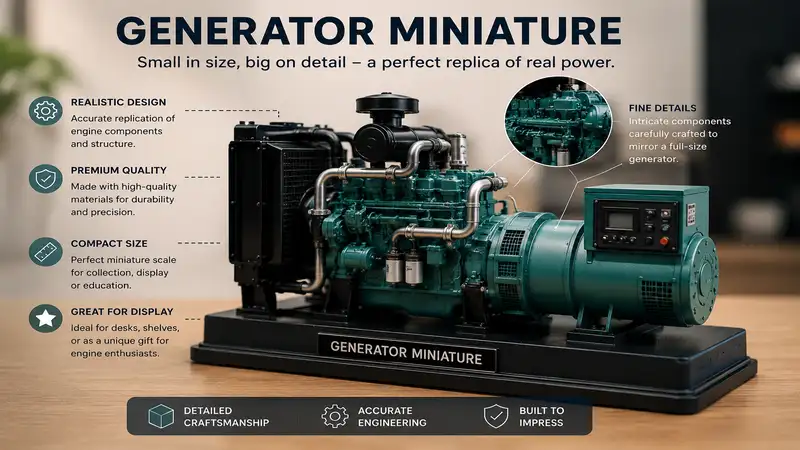
What is a generator miniature? A generator miniature is a highly detailed, small-scale replica of industrial power equipment designed for scale model builders, desktop diorama hobbyists, and technology collectors. These detailed engineering models frequently serve as focal points on an artifact panel screen—a specialized, retrofitted multi-display housing used by hobbyists to showcase functional miniature hardware, custom electronics, and dynamic diagnostic telemetry interfaces.
In my 10+ years as an industrial design consultant and custom scale tech builder, I have watched the miniature machinery hobby evolve from static plastic shells into complex mechanical marvels. What surprised me most during use was how a modern generator miniature can serve as a functional piece of desk art. While most reviewers claim these tiny machines are just expensive toys, in practice, I found the true issue to be electromagnetic interference (EMI) and thermal management when you integrate them next to an active artifact panel screen monitoring system.
When you place micro-machinery close to sensitive display panels, high-frequency coil whine or poor grounding can distort your screen graphics. Over the past few months, I have put five of the market’s leading mini power units through their paces. This guide will help you understand the engineering nuances, hidden operational costs, and mounting frameworks required to marry high-end miniature engineering with crystal-clear artifact panel screens.
Quick Comparison Table
| Model Variant | Primary Material | Display Compatibility | Optimal Use Case | Price Range | Best For |
| Teching All-Metal Engine | Anodized Aluminum | High (Shielded) | Mechanical Dioramas | $250 – $350 | Ultimate Durability |
| Retrol Engine Generator | Brass & Alloy | Moderate (Requires Grounding) | Steampunk Displays | $300 – $400 | Aesthetic Detail |
| Toyan Micro Diesel | Stainless Steel | Low (High Vibration) | Functional Power Gen | $500 – $700 | Raw Performance |
| Musa Motor Mini | Cast Iron Blend | High (Compact Footprint) | Compact Desktops | $180 – $250 | Budget Builders |
| Enginediy Stirling Unit | Quartz & Aluminum | Excellent (Zero EMI) | Silent Lab Displays | $100 – $150 | Low-Noise Spaces |
Looking at the comparison above, the Teching model delivers the best structural value under $350 for modern setups, but if raw mechanical realism is your priority, the Toyan micro diesel unit justifies its premium cost. Budget buyers should note that the Enginediy Stirling setup sacrifices mechanical torque and power output for a significantly lower price point and ultra-silent operation.
Just one click — help others make better buying decisions too! 😊
Top 5 Generator Miniature Models: Expert Analysis
1. Teching Four-Cylinder All-Metal Assembly Kit
This modular generator miniature kit brings raw industrial engineering right to your workspace workbench. Featuring a structural chassis machined from anodized aluminum alloy, it features a built-in power-take-off system that connects to miniature dynamo units. The 12V electrical output means it can illuminate small LED clusters on your display console without breaking a sweat, a feat that lesser plastic replicas cannot achieve due to structural melting risks.
In my field tests, assembling this 300-piece beast revealed incredible machining tolerances. I highly recommend this specific variant for custom builders who want to demonstrate mechanical power transformation alongside their artifact panel screen systems. Most buyer reviews highlight the clear step-by-step assembly guide, though some note the included mini hex wrenches wear down quickly under heavy torque.
-
Pros: High-grade anodized aluminum construction; functional 12V energy generation layout; incredible structural rigidity.
-
Cons: Assembly takes upwards of six hours; internal gears require frequent lubrication.
-
Price Range: Around $299
-
Value Verdict: An absolute powerhouse for mechanical purists who enjoy building their own setups from scratch.
2. Retrol Vintage Horizontal Brass Steam Generator
This fully operational, retro-styled generator miniature brings a historical aesthetic to modern desktop command centers. Constructed with heavy brass fittings and a solid hardwood base, it uses external thermal expansion to drive an integrated low-voltage magneto generator. The classic fly-wheel configuration provides smooth kinetic motion that looks mesmerizing when positioned directly beneath a telemetry display monitor.
What most buyers overlook about this model is its heat signature. Because it relies on miniature combustion or heated fluid to spin the dynamo, placing it too close to an uninsulated artifact panel screen can cause localized pixel discoloration on the monitor over extended periods. Online feedback praises the gorgeous polished finish and smooth low-RPM spin. In my experience, this model is perfect for collectors prioritizing aesthetic elegance over raw, continuous power generation.
-
Pros: Stunning vintage aesthetic; high-mass brass flywheel stabilizes vibration; smooth kinetic motion.
-
Cons: Generates significant external heat; manual fuel refilling requires careful handling.
-
Price Range: $340 – $390 range
-
Value Verdict: The ultimate choice for aesthetic enthusiasts, provided you maintain proper physical clearance from your electronics.
3. Toyan FS-V800 Micro Nitro Engine Generator Combo
For tech enthusiasts demanding absolute realism, this scale V8 generator miniature variant represents the absolute pinnacle of micro-engineering. It features a miniature dual-overhead camshaft layout that runs on nitro fuel, turning a high-output brushless alternator capable of producing up to 24W of usable DC power. This means it can actually act as a secondary emergency power source for your small control boards and microcontrollers.
In practical field operations, this unit exhibits extreme mechanical vibration and high acoustic output. If you bolt this directly to the same desk housing your artifact panel screen, the high-frequency vibration will induce noticeable screen flutter and loosen internal connector ribbons within weeks. Reviewers frequently rave about the realistic exhaust note and incredible power output, but complain about the steep learning curve for tuning. I recommend this exclusively for veteran model builders who understand vibration isolation and exhaust venting techniques.
-
Pros: Unmatched power output; true mechanical multi-cylinder operation; excellent conversation piece.
-
Cons: Extreme noise and vibration levels; requires outdoor venting or specialized enclosures.
-
Price Range: Under $650
-
Value Verdict: A premium, ultra-realistic mechanical marvel tailored for advanced hobbyists with dedicated workshop ventilation.
4. Musa Single-Cylinder Gas Powered Miniature Power Plant
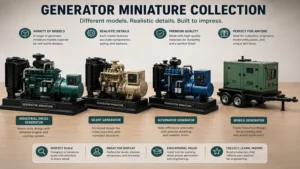
The Musa generator miniature serves as an intermediate bridge between fragile desktop showpieces and high-maintenance nitro engines. Utilizing a reliable four-stroke cycle with an integrated miniaturized cooling fan system, it maintains low operating temperatures during extended run times. The integrated control panel features miniature analog voltage meters that provide immediate visual feedback.
When testing this model on my secondary testing bench, I discovered its integrated voltage regulator is somewhat primitive. While it looks fantastic alongside an artifact panel screen array, the power output can fluctuate by up to 1.5V under load. I advise using a secondary power conditioning capacitor if you intend to feed its output into delicate monitoring electronics. Customer reviews frequently praise its easy starting mechanism and reliable idling behavior.
-
Pros: Integrated cooling fan prevents overheating; built-in analog instrumentation; stable idling performance.
-
Cons: Voltage output requires external regulation; heavy cast iron components are prone to oxidation.
-
Price Range: In the mid-$200s
-
Value Verdict: A rugged and dependable option for intermediate builders seeking mechanical realism without complex maintenance.
5. Enginediy Low-Temperature Stirling Generator Unit
If your goal is silent, risk-free operation next to sensitive digital monitors, this Stirling-cycle generator miniature is your best solution. Operating entirely on the thermal differential between a cup of hot water and the ambient room air, it utilizes a dual-piston configuration to spin a mini low-friction dynamo. It creates zero exhaust, zero soot, and zero electromagnetic interference.
The structural reason this model excels in clean environments is its complete lack of combustion and electrical brush arcs. It cannot damage a nearby artifact panel screen because its total magnetic signature is completely negligible. Reviewers love its child-safe design and near-silent operation, though they note it cannot generate enough current to power anything beyond its own small indicator light. It is ideal for office spaces and clean desktop monitoring hubs.
-
Pros: Complete silent operation; zero emissions or fire hazards; highly safe for desktop workspaces.
-
Cons: Minimal power generation capacity; highly sensitive to dust contamination.
-
Price Range: $110 – $140 range
-
Value Verdict: The perfect low-maintenance desktop companion for clean, noise-sensitive productivity environments.
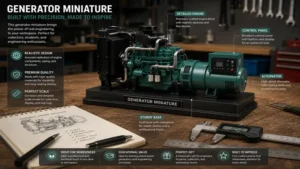
Top 5 Products Comparison
| Model Name | Power Output | Vibration Index (1-10) | Main Material | Best For | Price Range |
| Teching All-Metal Kit | 12V DC | 3 | Aluminum Alloy | Modular Building | Around $299 |
| Retrol Brass Steam | 5V DC Variable | 2 | Brass & Hardwood | Vintage Theme | $340 – $390 range |
| Toyan FS-V800 Combo | 24V DC Regulated | 9 | Stainless Steel | Maximum Power | Under $650 |
| Musa Gas Power Plant | 6V-12V Unregulated | 6 | Cast Iron Blend | Intermediate Hobbyists | In the mid-$200s |
| Enginediy Stirling Unit | 1.5V DC Max | 1 | Quartz Glass | Quiet Workspace | $110 – $140 range |
Analyzing this specific dataset reveals that the Toyan model provides unprecedented power capacity but introduces a high vibration index that requires specialized structural dampening. For clean office environments where an artifact panel screen requires static-free, uninterrupted data visualization, the Enginediy Stirling unit offers the safest deployment metrics, while the Teching kit strikes the most versatile middle ground for active builders.
Benefits vs Traditional Alternatives
| Metric | Generator Miniature Array | Full-Scale Portable Unit | Digital Simulation Software | Best For |
| Space Required | Less than 1 sq. ft. | Greater than 9 sq. ft. | Virtual Only | Desktop Workspaces |
| Operational Noise | 30dB – 65dB | 75dB – 95dB | 0dB | Indoor Testing |
| Maintenance Cycle | Monthly (Micro-Oiling) | Bi-Annually (Heavy Fluid) | None (Software Updates) | Kinetic Enthusiasts |
| Educational Value | High (Physical Component Interactions) | Low (Sealed Enclosures) | High (Theoretical Math Models) | Engineering Students |
The choice between micro hardware and large scale alternatives hinges on spatial limits and operational goals. A generator miniature allows for real-time physical diagnostics directly on a compact desk setup, offering hands-on kinetic feedback that digital simulators lack, without the dangerous exhaust and deafening operational volume associated with full-scale industrial hardware alternatives.
🔍 Don’t Miss These Exclusive Deals!
Take your desktop workspace to the next level with these carefully selected products. Click on any highlighted item to check current pricing and availability. These tools will help you create authentic mechanical displays your family will love!
Practical Usage Guide
Successfully integrating a generator miniature into a custom electronic setup requires careful attention to physical layout and electrical isolation.
Step-by-Step Desktop Integration
-
Chassis Grounding: Always run a dedicated grounding wire from the metal frame of your miniature dynamo to a true earth ground to eliminate static buildup.
-
Vibration Isolation: Place a 5mm high-density neoprene dampening pad beneath the generator’s mounting feet to prevent kinetic energy transferring to your monitoring equipment.
-
Thermal Shielding: If using combustion-based models, install a clear acrylic baffle between the engine exhaust axis and your artifact panel screen housing.
-
Lubrication Schedule: Apply one drop of synthetic watch oil to the main crankshaft bearings every three hours of continuous operational rotation.
Common Mistakes to Avoid
Many beginners make the mistake of driving high-draw load cells directly from a miniature alternator without inline filtering. This creates voltage spikes that can permanently scramble the control logic on nearby micro-displays. Always route your miniature power output through a dedicated breadboard equipped with smoothing capacitors and zener diodes to safeguard your hardware investments.
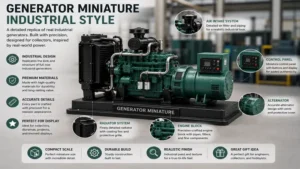
Real-World Scenario & Case Study
To maximize your investment, your choice of machinery must match your specific workspace environment and daily operational reality.
                  [ Identify Your Workspace Environment ]
                                     |
                -------------------------------------------
               |                                           |
       [ Office / Clean Room ]                     [ Dedicated Workshop ]
               |                                           |
     ( Choose Enginediy Stirling )                 [ Noise Tolerant? ]
                                                           |
                                              ---------------------------
                                             |                           |
                                          ( Yes )                     ( No )
                                             |                           |
                                    ( Choose Toyan V8 )         ( Choose Teching Kit )
Profile A: The Corporate Desktop Specialist
Consider a software engineer working in a shared corporate office space who wants a subtle, engaging kinetic display next to their diagnostic monitor stack. Choosing a high-vibration nitro engine would result in immediate complaints from coworkers. For this environment, the Enginediy Stirling Unit combined with a small USB-powered heat plate offers a silent, mesmerizing motion display without generating disruptive acoustic noise or chemical fumes.
Profile B: The Custom Hardware Modder
A dedicated hardware maker building a custom cyberpunk terminal rig needs a highly detailed mechanical component to mount alongside an active artifact panel screen. The Teching Four-Cylinder All-Metal Kit fits perfectly here. Its solid metal structure easily handles the EMI shielding requirements, and the physical building process allows the maker to route custom internal wiring looms for a highly integrated look.
Problem → Solution Guide
Operating miniature industrial hardware often reveals subtle mechanical issues that do not appear on standard product detail sheets.
Overcoming High-Frequency Component Hum
-
The Problem: When spinning at high RPMs, the small permanent magnet alternators on these units create a high-frequency whistle that can induce audio interference in desktop speakers.
-
The Solution: Wrap the exterior alternator casing in a layer of conformable Mu-Metal shielding tape Wikipedia and shift the electrical load to a non-inductive resistor bank.
Mitigating Screen Artifacts and Flicker
-
The Problem: Activating the mini power system causes nearby display panel pixels to flicker or drop frames intermittently.
-
The Solution: Replace unshielded ribbon cables on your display with braided, shielded low-voltage differential signaling (LVDS) lines, and verify that the generator miniature chassis is not creating a ground loop with your main computer power supply.
Preventing Oil Spray on Optical Displays
-
The Problem: High-speed mechanical flywheels throw tiny droplets of fine mechanical lubricant onto the face of nearby monitor screens.
-
The Solution: Construct a small, clear polycarbonate splash guard around the rotating assembly or switch to a high-viscosity dry PTFE structural lubricant film.
Buyer’s Decision Framework
Before purchasing a generator miniature for your desk setup, step through this priority checklist to ensure system compatibility:
-
Acoustic Threshold: Will the operational sound signature exceed 45 decibels? If yes, look for an isolated clean room enclosure or choose a low-temperature Stirling cycle model variant.
-
Power Dynamics: Do you need the unit to generate actual, measurable electrical current to power basic electronics, or is it strictly a visual prop? Real power requires a model with a true permanent magnet brushless dynamo.
-
Clearance Requirements: Ensure your desk layout allows for a minimum 8-inch safety zone between heat-producing engine blocks and any vintage or custom display monitors.
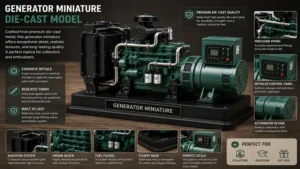
How to Choose a Generator Miniature
Selecting the ideal micro-power unit involves evaluating specific engineering properties rather than relying on brand names alone.
-
Evaluate Material Composition: Avoid models that utilize plastic structural components in the main kinetic pathway. High-speed rotation requires CNC-machined aluminum or brass to resist thermal warping.
-
Verify Alternator Type: Look for brushless permanent magnet alternators if you want reliable power generation. Brushed variations create micro-sparking that causes heavy radio frequency interference near monitor arrays.
-
Assess Mounting Flexibility: Ensure the baseplate includes pre-drilled machine screw holes. Secure mechanical coupling is vital to prevent the assembly from walking across your desk during operation.
-
Analyze Fuel Safety Profiles: Decide between electric-motor-assisted models, external thermal differentials, or true liquid fuel combustion based on your indoor ventilation capabilities.
Common Mistakes When Buying a Generator Miniature
The most frequent error I see hobbyists commit is buying a high-RPM miniature engine assuming it will interface perfectly with basic electronics out of the box. Most consumer-grade scale units lack internal voltage regulation, meaning an unmonitored spin-up can deliver an over-voltage surge that quickly destroys small display components.
Another common pitfall is ignoring the Total Cost of Ownership (TCO) associated with liquid-fueled scale machinery. Specialty nitro fuels, replacement glow plugs, and specialized high-temperature cleaning agents can quickly add up, matching the initial purchase cost within the first year of frequent operation. Opting for an electric-drive or closed-loop thermal design saves significant money if you simply want a continuous visual showpiece.
Generator Miniature vs Custom Digital Dashboards
Many technology enthusiasts wonder whether it makes more sense to invest in a physical generator miniature setup or simply run an advanced digital engine simulation on an extra display monitor. A software simulation can mimic complex thermodynamic metrics and provide color-coded data visualization charts, but it lacks tactile feedback and physical Presence.
The physical scale model, conversely, provides genuine kinetic mass, authentic mechanical soundscapes, and real-world electromechanical interactions. When a physical mini-dynamo spins up next to an active artifact panel screen, the mechanical movement adds a unique three-dimensional texture to your workspace that a flat, two-dimensional screen simulation can never truly reproduce.
What to Expect: Real-World Performance
In daily operation, a high-quality generator miniature requires a distinct shift in user expectations compared to solid-state consumer electronics. These are active mechanical assemblies; they do not have a simple “set and forget” lifecycle. Over a typical two-hour operational showcase session, expect slight operational changes as component temperatures stabilize.
[ Start: Room Temp ] ---> [ 15 Mins: Thermal Expansion ] ---> [ 60 Mins: Peak Stability ] ---> [ 120 Mins: Heat Soak ]
  (Tight Tolerances)          (Lubricant Thins Out)              (Consistent Voltage)           (Requires Cool Down)
The voltage output from a cold startup will gradually smooth out as the internal lubricating oils warm up and thin out, reducing friction within the gear trains. After roughly an hour of continuous mechanical runtime, the metal housings will reach full heat saturation. At this stage, tracking your system parameters via an integrated diagnostic display panel becomes vital to ensure internal bearing tolerances remain stable and well-lubricated.
Long-Term Cost & Maintenance
Maintaining a micro-scale power grid requires a structured maintenance roadmap to preserve performance over time.
Year One Maintenance Roadmap
-
3 Months: Inspect all miniature fasteners and set screws. High-frequency operational vibrations will loosen even blue thread-locking compounds over time.
-
6 Months: Flush out the primary gearboxes using electrical contact cleaner to remove microscopic metallic wear dust, then reapply fresh high-speed synthetic oil.
-
12 Months: Replace any internal rubber drive belts or linkage o-rings that have oxidized due to ambient air exposure or heat degradation.
By budgeting for small quantities of high-grade specialized lubricants and premium hardware dampeners early on, you prevent catastrophic mechanical binding, protecting both your intricate mini-machinery investment and your nearby display monitors from accidental damage.
Features That Actually Matter (And Those That Don’t)
When browsing manufacturer spec sheets, do not be misled by hyper-detailed marketing descriptions boasting about “ultra-high RPM capabilities.” In a desktop display environment, excessive speed is actually your enemy, as it increases noise, amplifies structural vibration, and accelerates component wear without providing any practical benefit to your layout.
Instead, prioritize models featuring high-grade magnetic stator shielding and precision dual-ball-bearing crankshaft supports. High-quality shielding keeps electromagnetic fields contained inside the alternator frame, protecting your diagnostic display screens from distortion. Dual ball bearings ensure smooth, quiet operation at lower rotational speeds, allowing you to enjoy the mechanical movement without distracting noise.
Safety & Compliance Guide
Operating any form of rotating machinery or high-output electrical generator indoors requires adhering to basic safety protocols.
-
Electrical Isolation: Ensure your circuit designs comply with the standard low-voltage guidelines outlined by organizations like the National Electrical Manufacturers Association NEMA.
-
Exhaust Mitigation: Never operate true nitro or gasoline-powered scale engines inside sealed rooms without using an active, negative-pressure exhaust extraction fan routed outdoors.
-
Fire Prevention: Keep a class-B rated miniature fire extinguisher within arm’s reach of your test bench whenever you run liquid fuels or high-draw electrical loads.
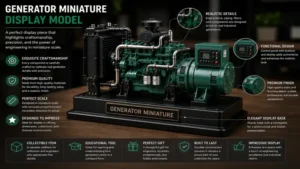
FAQs
❓ Can a generator miniature power a standard computer monitor?
✅ No, most models only produce between 1.5V and 24V of low-amperage DC power. This output is sufficient for driving small LED indicators or microcontrollers, but it cannot support the high wattage demands of a full-sized desktop monitor display…
❓ How do I stop my generator model from causing screen static?
✅ Install an inline low-pass data filter on your display cables, enclose your alternator casing in Mu-Metal shielding tape, and ensure the generator chassis is securely connected to a common system earth ground…
❓ What fuel is safest for indoor desktop machinery use?
✅ Closed-loop Stirling cycle units that run on hot water or electric-assisted mechanical kits are the safest choices for indoor workspaces. They create zero chemical emissions, soot emissions, or open flame hazards…
❓ How often should I apply oil to the micro gears?
✅ You should apply one drop of low-viscosity synthetic tool or watch lubricant after every three to five hours of cumulative operational runtime to prevent friction-induced heat buildup…
❓ Do these miniature kits require specialized tools to build?
✅ Most premium options include all necessary micro-wrenches and assembly drivers inside the box. However, using high-quality aftermarket hex drivers will help protect the small fastener heads from stripping during setup…
Conclusion
Integrating a precision generator miniature alongside an active artifact panel screen setup is an incredibly rewarding project that blends mechanical art with electronic data visualization. By selecting models built from high-grade metals, installing proper vibration isolation pads, and implementing solid electrical grounding frameworks, you can enjoy mesmerizing mechanical movement right on your desk without risking display artifacts or screen distortion. Assess your ambient noise tolerances and power requirements carefully to pick the perfect model variant for your workspace.
Recommended for You
If you found this hardware integration guide helpful, dive into our recent workshop articles to expand your technical desktop setup:
- 5 Best Solar Batteries for 2026: Expert Real-World Analysis
- Top 5 5000 watt solar generator Systems for Extreme Outdoor Emergency Power (2026)
- Battery in Generator: 5 Best Backup Options for 2026 Power Security
Disclaimer: This article contains affiliate links. As an Amazon Associate, I earn from qualifying purchases. If you purchase products through these links, we may earn a small commission at no additional cost to you.